


9 March 2026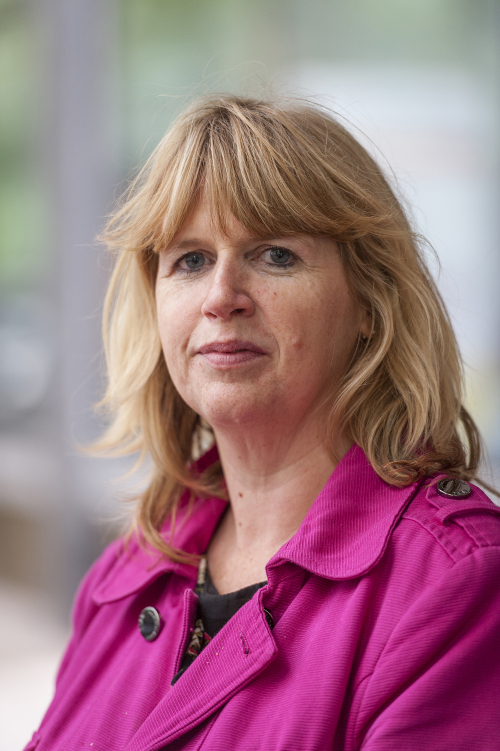
To mark International Women’s Day, we sat down with women at our hospitals who are leading the way in research. They shared their experiences, inspirations and the challenges they’ve overcome on their journey.
For this interview we spoke with Dr Sarah Collins, cystic fibrosis specialist dietitian, and researcher at Royal Brompton Hospital, who also gave the keynote address at the 19th Annual Research Showcase in December 2025, sharing her inspiring research journey with her talk, “A Journey of Discovery: Evolving Through Research”.
Please could you give us an overview about your role.
I have worked as dietitian specialising in the care of adults with cystic fibrosis (CF) at Royal Brompton Hospital for nearly 30 years. Currently my role is split between clinical work and research activity.
My clinical time is primarily spent supporting patients in both inpatient and outpatient settings with their nutritional management. Nutrition is recognised as a cornerstone of care in cystic fibrosis, with early research establishing clear associations between nutritional status, lung function, and survival. Over time, nutritional management has evolved from the legacy ‘high-fat, high-energy diet’ to a more individualised approach. As survival continues to improve, new challenges are emerging in adult CF care including cardiovascular risk, malignancy and the complexities associated with ageing.
Over the course of my career, I developed a particular interest in cystic fibrosis diabetes (CFD), which became the focus of my MSc and PhD research. Although CFD shares some similarities with type 1 and type 2 diabetes it is regarded as a separate condition. Treatment typically involves dietary modification and insulin therapy. High blood glucose levels can have a significant negative impact on nutritional status and lung function. Therefore, managing CFD requires a close partnership between CF teams and diabetes specialists, combining their expertise to support the individual.
In 2024, I was awarded a NIHR Senior Clinical Practitioner Research Award which has provided me with dedicated time to enhance my research portfolio. This has enabled me to undertake patient and public engagement activities, prepare manuscripts for publication, develop and submit a grant application, undertake further research training and complete a centre of excellence visit. Being research active not only enhances my own practice but also allows me to guide and empower colleagues on their research journeys.
What inspired you to get involved in research?
Since joining Royal Brompton Hospital, I have been part of a highly active research environment, particularly within adult cystic fibrosis care. Working in a centre leading cystic fibrosis research, I saw firsthand how research findings were translated into clinical practice to directly improve patient outcomes. It led me to question my clinical practice and consider how I could contribute to research and improve care for people with cystic fibrosis.
The first significant research project I led was a qualitative study as part of my MSc. It explored how adults with CF cope following a diagnosis of diabetes. We found that although people with CF are experienced in managing a complex condition, being diagnosed with diabetes was not straightforward. It brought emotional stress, increased treatment burden and additional day-to-day challenges particularly around balancing dietary requirements. These finding enhanced my clinical practice and influenced how I communicate with and support people with CFD.
Have you ever had to make any difficult decisions or faced any challenges in your career? If yes, how did you overcome this and what did you learn?
Deciding to pursue a PhD was a difficult decision for me. From the experience of friends and colleagues, I knew that it would bring additional challenges particularly in maintaining a healthy work life balance. To support this, I applied for a NIHR Clinical Doctoral Fellowship. Although I was not successful on my first attempt, I persevered and was successful the second time.
Through this process, I learned that persistence and a willingness to grow from feedback are essential when navigating professional challenges.
What's been your greatest accomplishment so far?
My greatest accomplishment was earning my PhD in Health Studies Research. The journey challenged me personally and academically from tackling research challenges, facing setbacks, revising endlessly, and confronting moments of self-doubt. Through these experiences, I built resilience, discipline, and confidence in my ability to navigate complex problems and stay grounded under pressure. Completing my PhD shaped me into a more independent and adaptable researcher, but more importantly, it strengthened my persistence and belief in myself.
Are there any women, either in your field or outside of it, who you admire and why?
Throughout my career, I have been fortunate to meet many truly inspirational women. I am especially honoured to have worked with Professor Margaret Hodson and Professor Diana Bilton, both of whom have made remarkable contributions to improving the lives of people with cystic fibrosis through their research and clinical practice. Beyond their professional achievements, they were strong advocates of allied health professional research, offering guidance, encouragement and unwavering support to the next generations of researchers.
Lastly, what piece of advice would you give to any junior colleagues in your field?
I would advise them to not be afraid to set big goals for themselves. To work through challenges and remember that rejection happens to everyone- it’s part of the learning process. That every setback they experience is an opportunity to learn, grow and get better at what they do.
Read our other interview with Dr Chiara Bucciarelli-Ducci, consultant cardiologist.
Read more research stories or sign up to the research newsletter.